
Valorisation of CO2 through hydrogenation to methanol
Global methanol production reached around 98 Mt/yr in 2021, however almost all of this was produced from fossil fuel sources (either natural gas or coal). The market is growing rapidly, with forecasts suggesting production could reach 500 Mt/yr by 2050 and the majority of this growth is expected to be from e-methanol. The transition away from fossil-based resources and increasing utilisation of renewable feedstocks means that around three quarters of this production could be accounted for by renewable methanol (e-methanol and bio-methanol).
Methanol is critically important as a platform for the chemicals industry; a highly versatile intermediate used for the manufacture of a broad range of products including plastics, adhesives, adsorbents, coatings, and solvents. Methanol is also becoming increasingly important as an energy vector, serving as an alternative fuel or fuel additive. E-methanol is produced by the hydrogenation of biogenic CO2 using green hydrogen, a process that requires efficient, selective, and robust catalysts. More broadly, the chemical industry depends on catalysis for more than 90% of industrial chemical processes, making catalyst development crucial for future sustainable chemicals manufacturing.
Methanol synthesis is a mature technology; CO2 hydrogenation to methanol has been the subject of much research. The reaction of converting CO2 to methanol is an exothermic process so high pressures and low temperatures are preferred; however, the stability of CO2 means that higher than desired temperatures are often needed to convert a sufficient amount. This often means that there is competition with the reverse water gas shift which transforms CO2 into CO. The complexity of the tricomponent nature of the CuO-ZnO-Al2O3 catalyst used commercially still leaves much to understand on the active component, allowing for further development. This project aims to determine catalyst structure-performance relationships and use novel synthesis techniques that can enhance desirable characteristics. Greater insight into the mechanistic pathway through advanced operando techniques will allow for a deep understanding of how the catalyst works and enable the design of catalysts with high performance. This would lead to the ultimate goal of producing catalysts that have a greater selectivity to methanol allowing for greater productivity on an industrial scale.
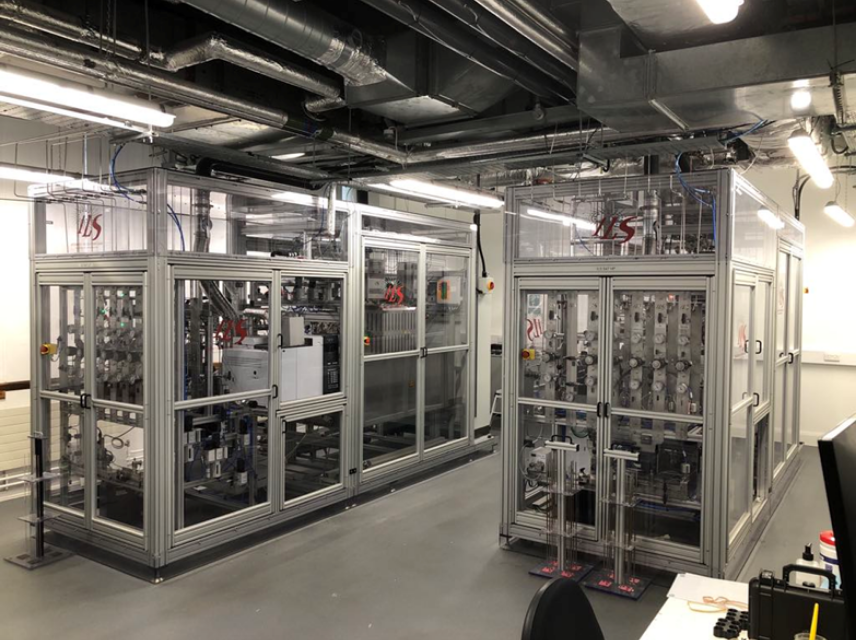
Methanol is traditionally made from syngas, which is produced by steam reforming of natural gas at high purity. The production of 'eMethanol' from biogenic CO2 and green hydrogen will introduce increased complexity due to the addition of contaminants in the synthesis feed. In alignment with objectives set by Topsoe, selected catalysts synthesised in Cardiff will be tested on an industrial scale using reaction feeds mirroring those that would be used in the commercial synthesis of eMethanol. This will probe catalyst stability over time and in the presence of possible poisons and inhibitors.
Topsoe is a global leader in catalysis and process technology, especially known for its advanced solutions in methanol production. More than 65 methanol plants worldwide use Topsoe's catalysts and technologies, giving the company a strong presence in this market.
Traditionally, methanol is made by steam reforming natural gas to create synthesis gas (syngas), which is then converted into methanol using catalysts. Topsoe's methanol catalysts are designed for high performance, selectivity, and stability, ensuring efficient conversion of syngas into methanol. Methanol can also be produced from green hydrogen and biogenic CO₂, which helps make chemical processes more sustainable. Topsoe offers specialized catalysts, such as MK-417 SUSTAINTM, that are optimized for using CO₂ as a feedstock. These catalysts are designed for selectivity, stability, and durability in Topsoe's eMethanol process, which uses green hydrogen as it is produced by an electrolyzer and can adapt to fluctuations in hydrogen availability, maintaining production even when supply is restricted. Since biogenic CO₂ is limited, eMethanol plants will be built as prefabricated ModuLiteTM units, with capacities ranging from 150 to 600 metric tons per day (MTPD).
Topsoe's leading position in the market is supported by ongoing investment in collaborative research and development with academic partners to advance catalyst technologies.
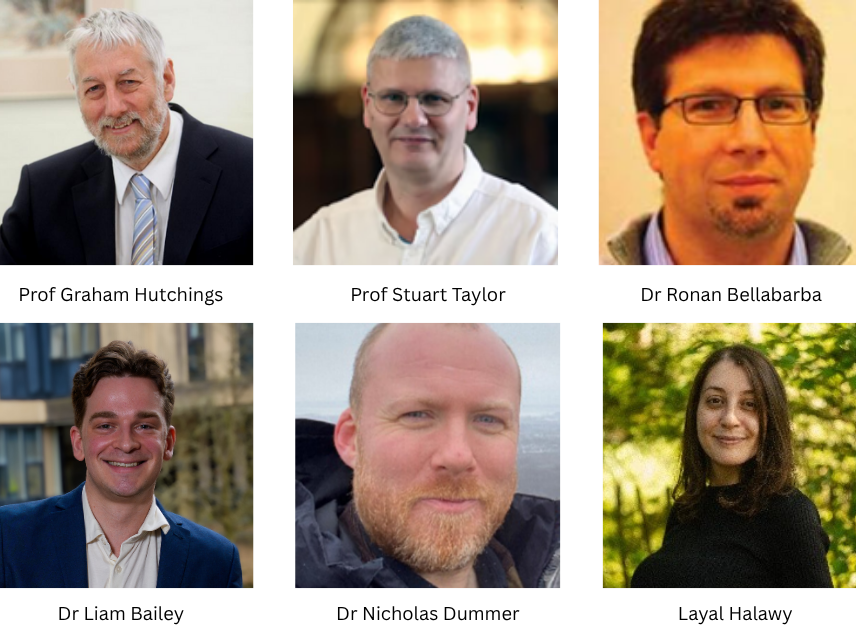
This project is delivered by the research team led by Prof. Graham Hutchings from Cardiff University in close collaboration with Dr Ronan Bellabarba, an industrial scientist and R&D lead from TOPSOE. The research involves aspects of experimentation, process optimisation, and computational modelling to design, synthesise, evaluate the performance of new catalysts for CO2 hydrogenation, ensuring they are industrially relevant for applications in both renewable methanol synthesis and other valuable chemical transformations.
The partnership between Cardiff University and TOPSOE is implemented through regular monthly meetings to monitor the progress of the project, exchange knowledge and ideas. This helps identify key areas in which more research and development is required and help facilitate the development of technologies from lab-scale to industrial scale. TOPSOE will send samples of their specialized catalysts to be benchmarked against new technology, and catalysts synthesised in the Cardiff Catalysis Institute labs will also be sent for testing at the TOPSOE facilities, which will then enable students involved in this project to receive industrially relevant training through placement programmes.