
Translating to scale: continuous production of biodegradable microcapsules

Microcapsules are a particular type of microplastic, used in a wide range of applications from drug delivery to fragrance release in personal care products to controlled release of nutrients in agriculture. The vast majority are manufactured using non-biodegradable polymers obtained from non-renewable sources. After use, they are released into waterways and soil, with mounting evidence of their adverse effects on both the environment and human food chain. As a consequence, there is growing legislation around the world limiting or banning their use. The market for microcapsules is also substantial, estimated at USD 13.90 billion in 2024, recognising the key functions they provide to products. As such, they cannot be simply eliminated from products, putting pressure on manufactures to identify a more environmentally sustainable alternative.
The SCHEMA Hub is responding to this pressing need from industry with a collaborative R&D project between researchers at the University of Bath and Naturbeads Ltd. to develop innovative continuous manufacturing processes, explore industrially relevant microcapsule payloads, and ensure the technology is ready for integration into scaled-up manufacturing. The collaboration, which started in September 2025, focuses on polysaccharide-based microcapsules which have attracted considerable attention as an alternative as these are biodegradable, renewable, and biocompatible. However, current production methods for polysaccharide-based microcapsules employ complex preparation methods, such as multiple deposition steps or cross-linking, with little potential for scale-up.
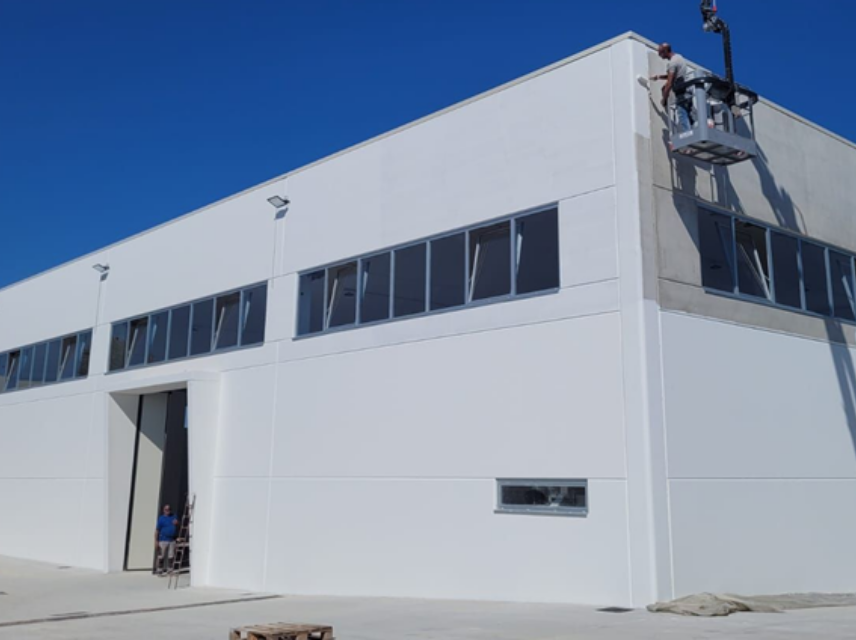
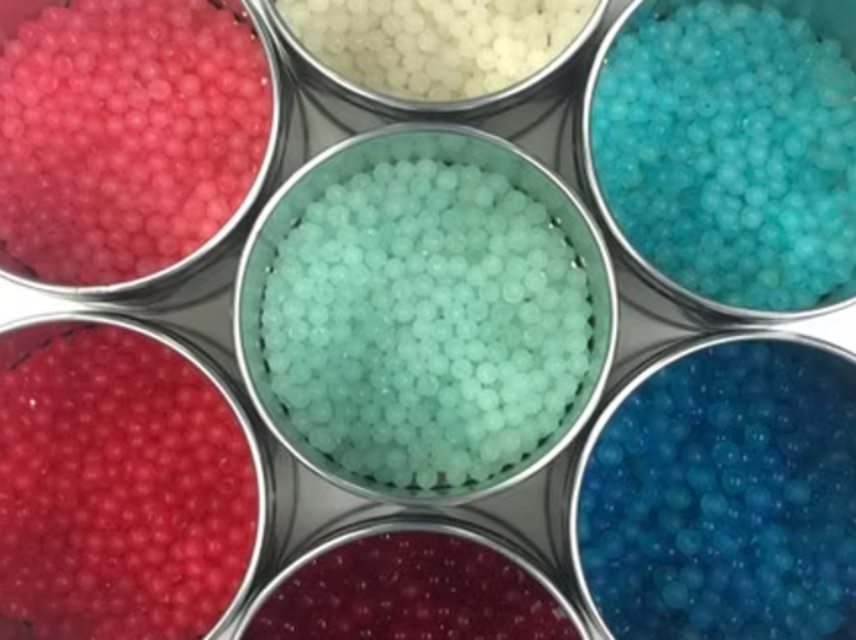

The collaborative R&D project builds on a long-standing relationship between the partners: Naturbeads Ltd. was started in 2018 from the work of Professors Janet Scott and Davide Mattia at the University of Bath to manufacture biodegradable cellulose microspheres to replace plastic microspheres in a wide range of applications. Their first commercial plant will be starting large-scale manufacturing in Q4 2025. Professor Mattia, SCHEMA Hub Co-Investigator and Naturbeads CTO, is currently on industrial secondment with the company to help them scale and translate new technologies from lab to market.
Dr Guofan Xu has been recruited to lead the laboratory activities at Bath, with support from Prof. Mattia and Prof. Matthew Jones from the Department of Chemistry. Naturbeads Ltd. is providing advice, in the first stage of the project, on applications with the most impact in terms of plastic pollution reduction and the type of materials and reagents that are compatible with large scale manufacturing. In the second half of the project it is expected that Naturbeads will provide the academic team with access to its pilot plant to test the potential to scale-up the manufacturing of the biodegradable microcapsules developed.
Dr Giovanna Laudisio, Naturbeads CEO, said "As a University spin-off and a high-intesity R&D scale-up company, we very much value working with academic researchers and see innovation as key to the success of the company. We are happy to be part of the SCHEMA Hub and look forward to contributing to this exciting project with the University of Bath academic team".